
A TISGRADE pilot in the Netherlands shows how targeted data quality checks and collaboration between road authorities and national data organisations can help improve the accuracy of speed limit information. The lessons learned offer a practical approach for other European countries working towards more reliable traffic data.
Accurate and up-to-date speed limit data is essential for reliable navigation, digital traffic information and safer journeys. As demand for high-quality traffic data grows, road authorities and data organisations face a common challenge: ensuring that digital records accurately reflect the speed limits in force on the road. European requirements for Real-Time Traffic Information (RTTI) further underline the importance of making this data available and keeping it up to date.
Identifying and correcting discrepancies
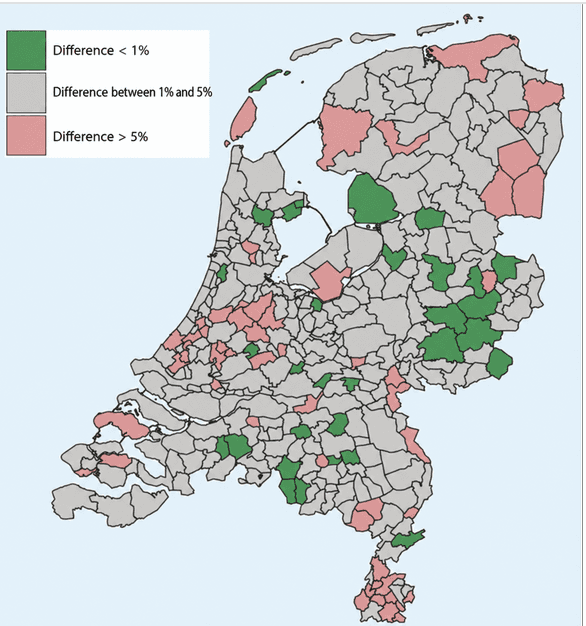
To assess data quality, the Dutch National Data Warehouse for Traffic Information (NDW) compared speed limit data from its road network database with information from OpenStreetMap. The comparison revealed considerable differences across local road networks, highlighting the need for targeted quality checks.
NDW subsequently launched a pilot with ten municipalities where discrepancies exceeded 7%. With the municipalities’ explicit permission, NDW investigated and corrected speed limit data on their behalf through the George-application, a platform for road operators where they can view and modify geographical data and characteristics.
The team combined several information sources, including recent street-level imagery, traffic sign datasets, local asset management systems and existing traffic data. This approach helped identify discrepancies and determine where corrections were needed.
The initial results are promising. In the participating areas, the proportion of speed limits that differed from the reference data decreased substantially. The pilot also contributed to a reduction in the average discrepancy rate across the national dataset, demonstrating the potential impact of targeted, centrally coordinated quality checks.
Combining local knowledge with data expertise
An important lesson from the pilot is that improving data quality requires more than technical checks alone. Road authorities have detailed knowledge of their local networks, traffic situations and regulatory decisions. National data organisations can contribute large-scale analyses, access to multiple data sources and expertise in processing data updates.
Combining these strengths helps determine which discrepancies can be resolved efficiently at a central level and which require local verification. This allows common issues to be addressed at scale, while road authorities can focus their time and knowledge on more complex situations.
The approach is now being further refined, with the aim of making data quality improvements more efficient and sustainable.
From local improvements to European progress
The experience demonstrates how collaboration, targeted validation and the intelligent use of multiple data sources can help turn data quality requirements into practical improvements. By sharing these lessons and developing approaches that can be applied more widely, countries can strengthen the reliability of speed limit data and support better traffic information services for road users.
Ultimately, better data benefits everyone: road authorities, mobility service providers and the people who rely on accurate information to make informed travel decisions.